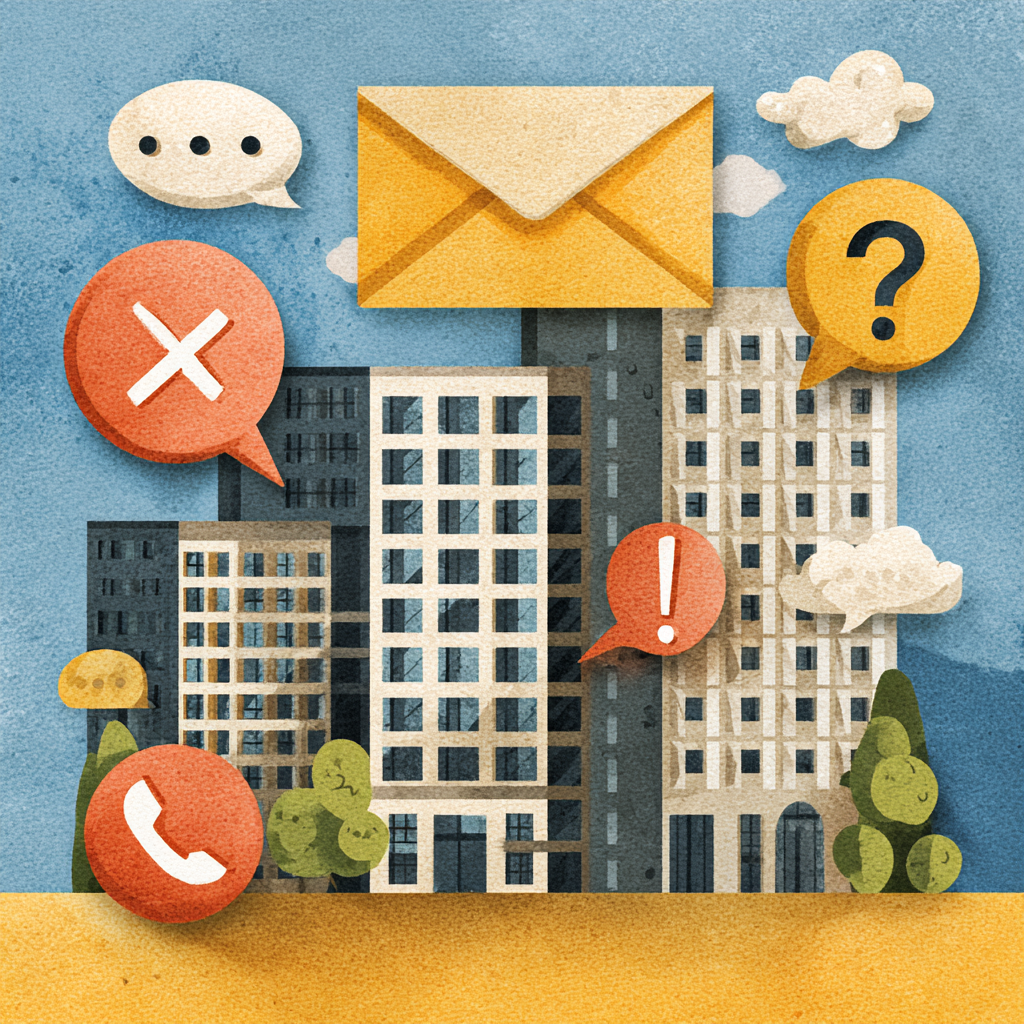
As a property manager, effective communication with tenants is crucial for maintaining a harmonious living environment. Yet, many managers unknowingly make communication blunders that can lead to increased tenant turnover. Did you know that poor communication is one of the top reasons tenants decide to move out? In this article, we’ll uncover the 7 most common tenant communication mistakes that could be costing you loyal tenants and explore actionable strategies to enhance your tenant relations. Ready to boost tenant satisfaction and retention? Let’s get started!
Avoid These 7 Tenant Communication Mistakes to Reduce Turnover
Ignoring Tenant Feedback: A Critical Mistake
Property managers often underestimate the power of listening to their tenants. When tenant concerns are dismissed, it creates a wall of frustration that can quickly erode the landlord-tenant relationship. Establishing a robust feedback loop isn’t just a nice-to-have—it’s essential for maintaining a positive living environment.
The Costly Consequences of Delayed Responses
Communication speed matters more than most property managers realize. When tenant inquiries go unanswered for days or weeks, it sends a clear message that their concerns are unimportant. This delay chips away at trust, potentially leading to higher turnover rates and negative reviews.
Modern property management tools can help streamline communication, allowing for quick acknowledgments and faster resolution of issues. Implementing chatbots, dedicated communication platforms, and automated response systems can significantly improve response times.
Transparency: The Foundation of Trust
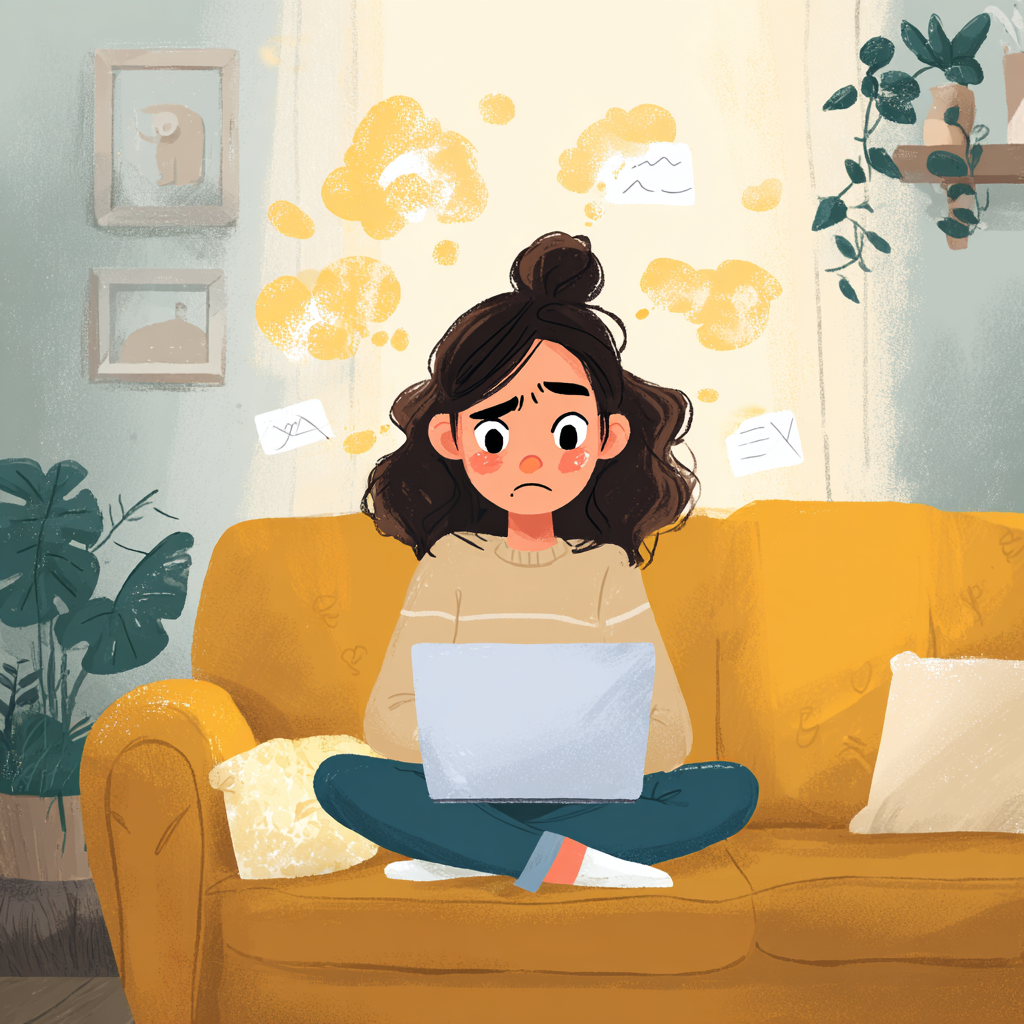
Unclear policies are a recipe for tenant frustration. When rules and expectations aren’t clearly communicated, misunderstandings become inevitable. Property managers should prioritize creating straightforward, easily accessible documentation that explains policies in plain language.
Maintenance Communication: More Than Just Logistics
Tenants want to feel informed about what’s happening in their living space. Proactive maintenance updates go a long way in making residents feel respected and valued. Utilizing multiple communication channels—like email, text, and tenant portals—ensures that important maintenance information reaches everyone.
Moving Beyond Generic Communication
One-size-fits-all communication approaches are quickly becoming obsolete. Tenants appreciate personalized interactions that recognize their individual needs and preferences. This might mean tailoring communication styles, remembering personal details, or providing context-specific information.
Setting Crystal-Clear Expectations
Ambiguity is the enemy of good tenant relations. Managers should invest time in clearly defining and repeatedly communicating expectations around rent payment, maintenance requests, community rules, and other critical aspects of tenancy.
Embracing Cultural Sensitivity
In our increasingly diverse communities, cultural competence isn’t optional—it’s essential. Understanding and respecting different communication styles, cultural norms, and potential sensitivities can transform tenant interactions from transactional to meaningful.
Training staff in cultural awareness and providing resources that support inclusive communication can make a significant difference in how tenants feel about their living environment.
Enhance Tenant Relations with Effective Communication
Strong tenant communication is the foundation of successful property management. By avoiding these common communication mistakes and implementing our recommended strategies, you can foster a positive living environment, reduce turnover rates, and build lasting relationships with your tenants. Ready to take your tenant communication to the next level? Start implementing these changes today and watch your tenant satisfaction soar! For more insights, check out the true cost of after-hours maintenance calls.